
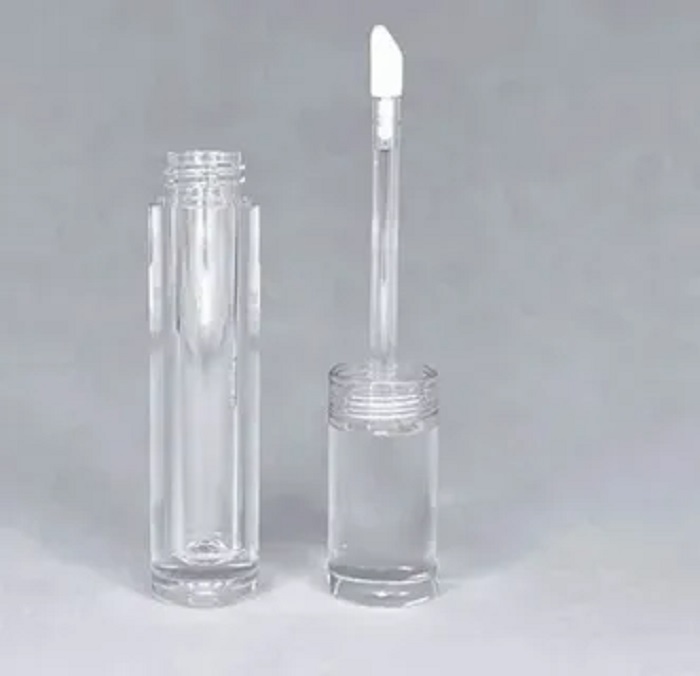
The applicator is one of the most important parts of lip gloss packaging. It controls how much formula is collected, how smoothly the product spreads, and how the package feels during daily use.
Doe-foot and silicone tips are two popular choices, but they deliver very different application experiences. The best option depends on formula viscosity, coverage requirements, hygiene positioning, target customer, and overall product concept.
Brands should test both options with the actual formula before approving production.
What Is a Doe-Foot Applicator?
A doe-foot applicator uses a soft, flocked tip attached to a plastic stem. Its angled or curved shape resembles a small hoof, which is the source of its name.
The fibers on the applicator hold the formula and release it gradually across the lips. This makes doe-foot tips suitable for glosses, liquid lipsticks, concealers, and other products requiring smooth coverage.
Variations include small angled tips, oversized paddle shapes, pointed precision applicators, and reservoir designs with an internal cavity that holds more formula.
Advantages of Doe-Foot Applicators
The main advantage is formula pickup.
The flocked surface can carry a useful amount of product, allowing users to cover the lips with fewer dips. The soft texture also creates a familiar cosmetic experience.
An angled doe-foot tip can follow the lip contour and reach the corners of the mouth. Pointed versions provide greater control around the cupid’s bow.
Doe-foot applicators are available in many standard shapes, helping brands select a suitable option without developing a fully custom mold.
Limitations of Doe-Foot Tips
Flocked applicators absorb and retain some product. This may create formula buildup over time, especially with thick or highly pigmented products.
The fibers can also make the applicator more difficult to wipe completely clean. For products positioned around clinical hygiene or skincare treatment, this may not match the intended concept.
Flocking quality is important. Poorly attached fibers may shed or create an uneven application surface.
What Is a Silicone Applicator?
A silicone applicator has a smooth, non-flocked surface. It may be flexible or firm and can be produced in flat, curved, spoon-shaped, or angled designs.
Unlike flocked tips, silicone does not absorb much formula. Most of the product remains on the surface and transfers directly to the lips.
Silicone tips are commonly used for lip oils, lip masks, lip treatments, and products emphasizing a clean or reusable-looking application experience.
Advantages of Silicone Applicators
Silicone is easy to wipe and does not retain formula in fibers. This supports a cleaner visual appearance between uses.
The smooth surface can provide a cooling sensation, which may suit soothing lip treatments or skincare-inspired products.
Because silicone releases most of the formula it carries, product waste on the tip may be reduced. The material can also be molded into distinctive shapes that reinforce brand identity.
Limitations of Silicone Tips
A smooth tip may not hold as much formula as a flocked applicator. Thin products may slide off too quickly, while a very narrow wiper may remove most of the product before application.
Silicone also creates a different spreading sensation. It moves formula across the surface rather than diffusing it through soft fibers.
Some consumers may find it less comfortable for highly pigmented or full-coverage products. The suitability depends heavily on tip flexibility and shape.
Matching the Applicator to the Formula
Doe-foot applicators generally work well with medium-to-thick glosses, liquid lip colors, and products requiring even coverage.
Silicone tips are often suitable for lip oils, transparent treatments, masks, balms, and formulas marketed around hygiene or skincare benefits.
However, viscosity alone does not determine the answer. A reservoir doe-foot may work with a lightweight oil, while a flexible silicone spoon may handle a thicker treatment effectively.
The Role of the Wiper
The wiper controls how much product remains on the stem and applicator.
Fordoe foot applicator tubes, the opening must allow the flocked tip to pass without damaging it while still removing excess formula.
Silicone tips may need a different wiper diameter because they do not compress in the same way. A poorly matched wiper can create dripping, insufficient pickup, or excessive resistance when the applicator is removed.
Testing the Complete System
Brands should test the container, formula, applicator, stem, and wiper together.
Evaluation should cover:
- Amount collected per dip
- Application coverage
- Dripping
- Wiper resistance
- Tip flexibility
- Comfort
- Formula buildup
- Stem strength
- Applicator attachment
- Leakage after repeated use
Doe-foot applicators offer softness, strong pickup, and familiar application. Silicone tips provide a smooth, easy-to-clean surface and distinctive skincare-oriented experience.
The best choice is the one that delivers the intended amount of formula comfortably and consistently throughout the life of the product.