
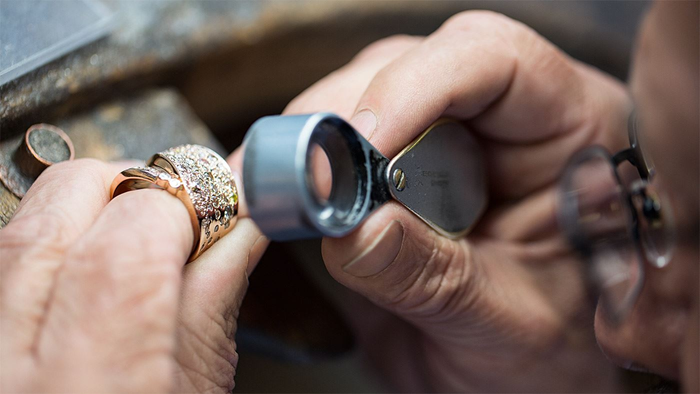
Gold jewelry has long ceased to be merely a beautiful accessory; in many families, it is viewed as a tangible asset that can be passed down as an inheritance or utilized when the need arises. Unlike items that quickly go out of style, gold retains its value thanks to the metal’s scarcity, steady demand, and transparent valuation.
Investing in gold jewelry is advantageous because it combines aesthetic appeal with financial logic. While the piece is being worn and enjoyed by its owner, it remains an asset that—given a wise choice—can be sold, exchanged, or preserved as part of one’s personal capital.
Practical value: wear your investment every day
A key distinction between jewelry and items like bullion or certain financial instruments is the ability to derive immediate benefit from the purchase. A ring, chain, or pair of earrings becomes part of your look, highlights your status, and complements a professional style, all while remaining an asset. This “dual” value makes the purchase both more practical and psychologically easier to justify.
Emotional value and inheritance
Jewelry is often linked to significant milestones such as weddings, anniversaries, and family traditions. Over time, these pieces become symbols passed down to children and grandchildren. Yet, this inheritance also has a financial dimension: the value of the metal and the quality of craftsmanship remain significant across generations.
Managing risk through smart choices
To ensure a sound investment, it is important to select pieces where the value of the metal isn’t overshadowed by excessive markups for design complexity. Ideal choices feature straightforward forms, high-quality clasps, reliable hallmarks, and meticulous craftsmanship.
If the goal is to preserve value, it is best to avoid questionable hallmarks, overly delicate designs, and embellishments that require expensive maintenance.
- Purity and hallmark: check the markings and any accompanying documentation.
- Weight: compare the item’s feel with its stated weight and verify the exact figure.
- Condition: inspect settings, clasps, and the integrity of links; check for any deformation.
- Accessible design: classic styles are easier to resell and more practical for everyday wear.
If you view the purchase https://luxebrokersgroup.com/sell/gold-beverly-hills/ as a long-term investment, it helps to define your objective upfront: daily wear, a gift, a family heirloom, or a financial reserve for emergencies. For those looking into gold jewelry, it is important to study product specifications, compare options, and select pieces that combine quality, comfort, and lasting value.
Choosing purity and alloy to ensure resale liquidity
The resale liquidity of a gold piece is determined not by the beauty of its design, but by how transparent its gold content is to the buyer (whether a pawn shop, a gold buyer, or a private individual) and how predictably it will be appraised. The fewer “ambiguous” factors—such as rare alloys, complex coatings, or missing hallmarks—the easier it is to verify quality and the lower the price discount.
A practical strategy is to choose a purity level and alloy that are easily identifiable, widely available on the market, and provide a clear basis for price calculation. This reduces the risk of a steep price reduction due to uncertainty about the composition and makes it easier to compare offers from different buyers.
Purity and alloy: what increases your chances of selling without a heavy discount
1) Opt for standard, widely recognized purity levels. Common options work best for resale, as the pure gold content is easily calculated and familiar to the market.
- 585 – a versatile “workhorse” option for jewelry: durable and the most common, making it easier to appraise and faster to sell.
- 750 – higher gold content and prestige, but the metal is softer; for resale, condition (wear, deformation) and proof of authenticity are more important.
- 999 is more common in bars and coins and less so in jewelry; for jewelry, liquidity may depend on the item’s format and demand.
2) Choose alloys without “surprises.” The more standard the alloy composition (the added metals), the fewer questions the appraiser will have.
- Yellow gold is generally viewed as the most straightforward in terms of appraisal, as it is less affected by plating or fashion trends.
- White gold is often rhodium-plated; this adds no value at resale and can mask signs of wear. It is crucial that the purity mark and hallmarks remain legible.
- Rose/red gold is popular, but the shade depends on the composition; non-standard formulas may raise additional questions during analysis.
3) Avoid factors that complicate a quick appraisal. They do not make the item “bad,” but they often increase the discount required for a quick sale.
- Non-standard proprietary alloys lacking clear hallmarks.
- Complex composite designs (numerous settings, multi-layered elements) where it is difficult to separate “design value” from the cost of the metal.
- Worn or illegible hallmarks and the absence of documentation (if such documentation originally existed).
4) Condition matters more than “showroom appeal.” Resale value is usually based on the metal itself and repairability rather than brand storytelling. You will lose less money if the piece:
- is free of deep scratches, dents, or structural warping;
- has functional clasps and intact settings;
- shows no signs of crude repairs or amateur soldering.
Bottom line: to ensure liquidity at resale, choose common gold purities (most often 585, or 750 if handled with care) and standard, recognizable alloys. Avoid features that complicate valuation, such as non-standard compositions, questionable hallmarks, or complex coatings that are difficult to identify. The easier it is to verify the item’s composition and condition, the faster the sale and the smaller the price discount.