
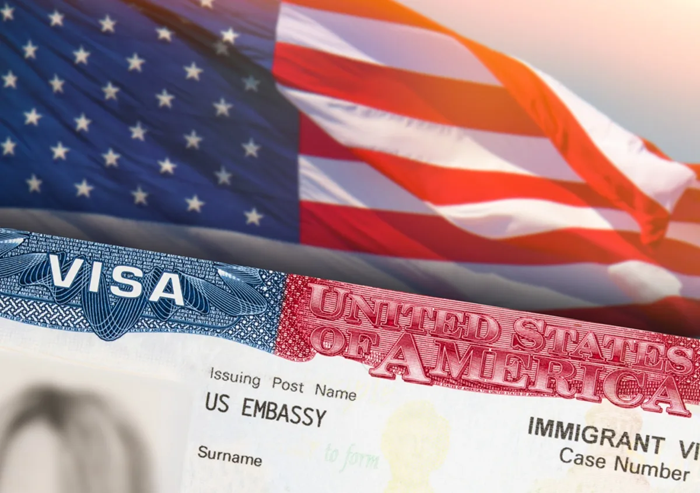
A student visa to the United States is issued for study at accredited educational institutions and requires proof of enrollment, financial solvency, and intention to comply with the terms of stay. The process includes contacting the chosen school or university, paying the required fees, and attending an interview at the consulate.
The key to a successful application is accurate information, document compliance, and the understanding that the visa officer will evaluate both the educational purpose and the overall rationale for the trip. Below are the basic rules and steps to consider when preparing.
Who is eligible for a student visa and what is it for?
The most common format for academic study is a student visa, which is issued upon an invitation from an educational institution and compliance with the procedures established by U.S. immigration regulations.
The visa is issued specifically for the purpose of study, so the program, duration, format (full-time study), and the curriculum’s alignment with the stated objectives must be verifiable and consistent.
Basic Requirements for the Applicant
- Admission to an educational institution authorized to accept international students.
- Sufficient funding for tuition and living expenses for the entire stated period.
- Willingness to comply with status rules: study in the stated program and not violate work restrictions.
- Compelling ties to the home country (social, family, property, and professional factors) confirming the temporary nature of the trip.
Who are eligible for the F-1, M-1, and J-1 categories: differences based on the purpose of study
The choice of a US student visa category depends primarily on the purpose of study, the type of educational institution, and the program format: academic, vocational, or exchange. Choosing the wrong category can lead to denial, work restrictions, and difficulties with renewal or change of status.
The F-1, M-1, and J-1 categories are not interchangeable: each is designed for a specific travel scenario. Below is a practical comparison of which visa is best for whom.
Key Differences by Purpose of Study
- F-1 – for academic study at accredited educational institutions (colleges, universities, many language schools).
- M-1 – for vocational and applied programs (trade/vocational school), where the goal is to master a trade/profession.
- J-1 – for sponsored exchange programs (university exchanges, internships and practicum programs, research visits), often with funding and special rules.
- Choose F-1 if your goal is full-fledged academic study (degree, long-term academic trajectory, transfer between programs within the framework of academic logic).
- Choose M-1 if you are traveling abroad A profession/practical skill at a vocational/trade school, and the program is not initially an academic degree.
- Choose the J-1 visa if participation is through an official exchange program, and the key requirement is a sponsor (university, organization, foundation) and compliance with exchange regulations.
Bottom line: The F-1 visa is suitable for those pursuing an academic trajectory; the M-1 visa is suitable for those pursuing an applied specialty; and the J-1 visa is suitable for those traveling on an exchange or internship program through a sponsor. Before applying, verify the program type and documents (I-20 or DS-2019) to ensure the visa category accurately matches the purpose of study.