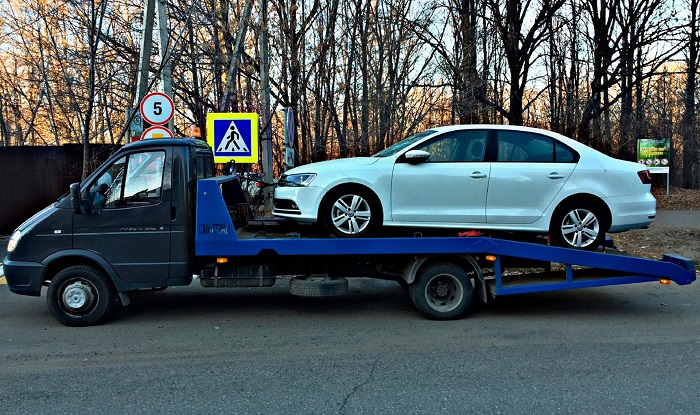
Vehicle towing is often necessary due to parking violations, emergency situations, or technical problems. Knowing the details on https://mtstowing.ca/ will help you prepare properly, understand your rights and responsibilities, and avoid additional costs and problems when calling a tow truck.
Following the established rules and guidelines will ensure a smooth towing process, minimize the risk of conflict with service personnel, and help quickly resolve any issues that arise. Therefore, it is important to understand the nuances of the procedure and follow all recommendations for a safe and legally sound resolution.
Sequence of actions when calling a towing service and preparing documents
Before calling, it is recommended to prepare all necessary documents. These should include the vehicle registration certificate, the identity card of the owner or authorized representative, and the insurance policy. Having these documents will expedite the procedure and help avoid potential problems during the towing process. It is also recommended that you familiarize yourself with the payment rules and possible rates in advance to avoid unexpected expenses.
How to Call a Towing Service and Prepare Documents
- Call the towing service, clearly describing the situation, the location of your vehicle, and the reasons for its need to be towed.
- Ask the operator for the address where the vehicle should be delivered and agree on the tow truck’s arrival time.
- Prepare all necessary documents: vehicle registration certificate, passport or other identification, and insurance policy.
- If necessary, take photographs of the parking space and the condition of the vehicle to document the situation.
- Check that all documents are present and that they comply with the towing service’s requirements before handing over the vehicle.
- Once on site, follow the instructions of the specialists, do not interfere with the towing, and interact with the service representatives while observing all road safety regulations.
How to Choose the Right Location for a Temporary Parking a vehicle before towing
Choosing a suitable location to temporarily park your vehicle before towing is an important step that helps minimize potential problems and speeds up the vehicle recovery process. The right location helps avoid fines and damage, and simplifies subsequent vehicle handling.
When choosing a location, consider its location, safety, and compliance with the law. Below are the main criteria and tips to help you make the right choice.
Criteria for Choosing a Temporary Parking Spot
- Permitted Spot – Make sure parking is permitted by law or traffic regulations.
- Safety – The spot should be in a safe area, without the risk of criminal incidents or damage to your vehicle.
- Accessibility – The spot should be easily accessible for you and tow trucks.
- Distance from restricted areas – Avoid parking in designated areas for emergency vehicles, pedestrian crossings, and other restricted areas.
- Lighting and Visibility – It’s best to choose a well-lit spot so you can easily observe your vehicle and react quickly if necessary.
Tips for Choosing Optimal Location
- Check for road signs and markings prohibiting parking or stopping in the chosen area.
- If possible, look at photos or reviews of the location online or from local residents.
- Choose a location away from narrow passages and congestion to avoid complicating subsequent evacuation.
- If possible, consult with traffic police or utility service personnel about the permissibility of the chosen option.
Choosing the right temporary parking location before towing is the key to a quick and safe vehicle return. The main criteria are legality, safety, accessibility, and compliance with traffic regulations. By following these recommendations, you will reduce the risk of fines and damage and speed up the evacuation process, which is especially important in emergency situations.